Restaurant loyalty ideas without points or apps that keep guests coming back
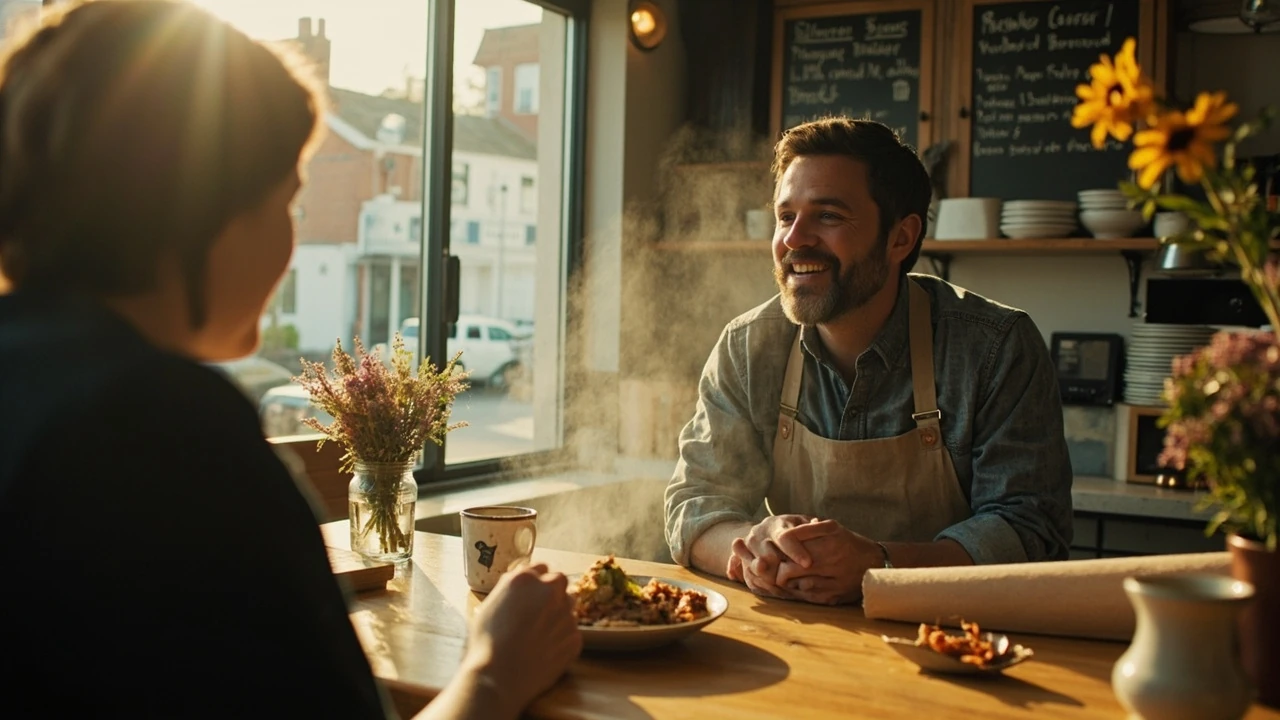
Most of your regulars cannot remember a password, a punch card, or a phone notification. They remember how the room felt when the server knew their name, that the kitchen handled a swap without an eye-roll, and that they got the booth by the window last Thursday. That is the space where restaurant loyalty ideas without points or apps earn their keep, because the strongest habit inside a local restaurant is built on memory, recognition, and small repeated favors, not on a digital score.
The pitch is not that loyalty software is bad. For chains with massive check averages, regional footprints, and analytics teams, a structured program can earn its budget. For independent operators and small groups, the math is rougher: monthly fees, integration headaches, low app install rates among the 35-plus crowd that drives a lot of local dinner traffic, and the slow drip of guests who download an app, redeem one offer, and never open it again. Plenty of independent restaurants quietly grow regulars year after year using nothing more than a good host stand, a thoughtful menu, and a few simple routines. The ideas below are built for that operator, the one who wants repeat visits without managing a database or training staff on a new platform.
Why the points-and-apps model loses to a regulars-first approach
Two quiet problems sit underneath most digital loyalty programs. The first is a math problem. If a guest has to download an app, create an account, opt in to notifications, and earn ten points before getting a free coffee, the first reward may be weeks of friction away. The second is a perception problem. A points balance frames every visit as a transaction, which is the opposite of how most regulars describe their favorite spot: “I go there because it feels like mine.”
A recognition-driven model flips both. Friction drops to almost nothing because there is no signup. The visit is not a transaction but a small, repeated social contract. When something goes wrong, the contract is what saves the guest, not the points balance. This is also why a thoughtful regulars program tends to outperform a punch card on a busy Friday, when staff are slammed and guests value a host who can place them without asking for a name.
What this article covers
- Twelve restaurant loyalty ideas without points or apps you can put in place in a single service
- How to recognize regulars without making them feel tracked
- Five low-cost rituals that turn first-timers into recognizable faces
- How to run a paper or card program without it becoming a chore
- Trade-offs, common pitfalls, and a simple measurement plan
Start with the regulars you already have
Before adding any program, map the guests who already come back at least once a month. Most restaurants have a hundred or more, even if the POS never labels them. Walk a slow Tuesday and write down what you know: their first names, what they order, where they like to sit, whether they tip in cash, who they come with, and what they always seem to enjoy. That list is your loyalty foundation, and almost every idea below grows out of it.
Keep this list private. It is not a marketing database, it is operational knowledge. A short shared document behind the POS, a note in your reservation system, or even a laminated seating chart in the manager’s binder works. The point is that the team can look at it during a rush, not that you can email it.
Twelve restaurant loyalty ideas without points or apps
1. The handwritten note on the receipt
A two-second addition that punches well above its weight. Train servers to write one short, specific line on the bottom of the check for any table that seems to be enjoying themselves: “Thanks for the long laugh at table 6, see you next week.” Avoid generic lines like “come back soon,” which read as a script. The note is the small human signal that the room noticed them, and people photograph these and post them more often than any discount offer.
To make this work without becoming awkward, give staff three or four prompt cards: a memory of the visit, a thank you, a callback to a past visit, or an invitation. Servers pick one that fits and write it during the close-out, not during the meal.
2. The standing table
For the guest who always asks for the same booth, give it to them without making them ask. A standing table is a named, saved table for a specific regular on a specific night, the way a barber might hold a Saturday morning slot for a long-time client. You do not need software. A shared note in the reservation book, a colored tag, or a recurring calendar block is enough.
The mechanics are simple. Decide which nights you can reliably offer a standing table, identify your best three or four candidates who come in solo or as a pair, and offer it directly. The first time you say “your table is open tonight,” the guest understands they have moved from customer to insider.
3. The remembered drink
When a server approaches a table and says, “The usual?” that is loyalty, and it is free. The trick is to make sure the usual is actually recorded somewhere the next server can see. A short note in the POS, a chalkboard in the pass, or a small notebook behind the bar is enough. The cost is zero, and the perceived value is high because the guest is rarely the only one in the room who notices.
If your team is large, keep the “usual” note to two or three words. “Aperol spritz, neat” is fine. Long descriptions get dropped. The goal is for any staff member to walk up and have a credible guess ready, even on their first shift covering that section.
4. The unannounced upgrade
For regulars, surprise a small upgrade when it costs you little: a better cut from the same protein, a glass of something nicer than the one they ordered, the dessert they always wanted to try. The cost is a few dollars of food cost, the return is the story they tell. Track the upgrade on the same shared note so the next server knows the gesture was already made this month.
Do not announce it as a loyalty perk. The moment a gesture is announced as a benefit, it becomes a transaction. The upgrade should feel like the kitchen just felt generous, which is, in a sense, what it is.
5. The named special
When a regular mentions a dish they love, put their name on a one-off special the next time the ingredients are right. “The Margaret” for a regular who always orders a particular pasta, “The Lin” for a specific cocktail preference. A named special turns a private habit into a shared inside joke, and it travels: regulars will bring friends in to “try the thing named after me.”
Keep the special off the printed menu. Run it as a server recommendation, a chalkboard line, or a single-card insert. The point is to make the regular feel seen without broadcasting the relationship to the whole dining room.
6. The first-name hello
Teach the host stand to use the first name of any regular who has walked in more than twice. This is one of the simplest restaurant loyalty ideas without points or apps, and it works across every cuisine and price point. The trick is keeping the name where the host can see it without a headset. A weekly printed list of regulars with first names, party size, and favorite table is a five-minute job for a manager on Sunday morning.
When the host says, “Marcus, your usual booth is open,” the rest of the evening tends to take care of itself. Marcus relaxes, his server knows to check in twice instead of four times, and the kitchen knows to send a starter unprompted if there is a wait.
7. The birthday plate, done with a wink
Almost every restaurant offers a free birthday dessert, and almost every regular has stopped being surprised by it. The way back to the gesture landing is to make it personal: the dessert they actually like, a single candle, a server who quietly sings, the bartender sending a glass of something age-appropriate. The cost is identical to the stock version, but the memory is sharper because it reflects what the team knows about the guest.
If you do not have a reliable date-of-birth record, do not chase one. Ask regulars in conversation, write it down, and trust the network effect. Many restaurants find that simply asking a regular for their birthday “so we can do something small” becomes its own loyalty moment.
8. The front-of-house huddle
Many independent restaurants do a pre-shift meeting already. Use five minutes of it for a regulars huddle. The manager names three regulars expected that night, the team shares any useful detail, and the shift starts with everyone aligned. If a regular had a bad experience last visit, the manager says so plainly: “Sam had the wrong order last time, let’s get it right tonight.” That kind of recovery is one of the most powerful restaurant loyalty ideas without points or apps, because the guest never has to ask for the fix.
Keep the huddle short, factual, and warm. A regulars roster is not a complaint file. The goal is for the team to walk into the shift already holding context, not to perform guilt over past mistakes.
9. The community table
Many restaurants have a large table that is hard to fill on weeknights. A community table, set for a fixed time on a fixed night, gives solo regulars and small groups a reason to show up. The meal is not discounted, but the format is: one long table, a fixed menu, a server who introduces the room. The repetition turns strangers into acquaintances and acquaintances into regulars, and it costs you nothing but a section of floor plan.
The community table works best in restaurants with a clear point of view, because the shared menu gives the room something to talk about. If your menu is wide and personal, the community table is a useful constraint rather than a discount.
10. The small, honest surprise
For the table that orders the second bottle of wine, the couple celebrating quietly, or the solo diner reading at the bar, a small surprise at the end of the meal costs you little and signals a lot. A glass of something the kitchen likes, a small plate that did not make the menu, a take-home treat for the dog they mentioned. The point is the match between gesture and guest, which is why a robotized “free dessert” feels different from “the chef made this for you just now.”
Make a rule of thumb: the surprise should cost less than ten percent of the check and arrive when the guest is relaxed, not when they are paying. The gesture should feel like a hand from the kitchen, not a coupon from the manager.
11. The private feedback path
Public review sites are a megaphone. Most regulars have a quiet feedback path they prefer, and offering it earns trust. A card with the manager’s direct line, a simple email address that goes to a real person, or a single-question paper form at the table. When a regular uses the private path and you respond well, that is loyalty being built in public: the next time something goes wrong, the guest comes to you first, not to the review site.
Once a month, read every piece of private feedback with the team. Pick one specific thing to fix. Tell the guest who flagged it. That loop is a loyalty engine, and it is exactly the kind of mechanic that points-and-apps systems struggle to copy because it depends on judgment.
12. The honest anniversary
Many restaurants keep a record of the date of a regular’s first visit, often the way a long-time barber remembers a long-time client. A card on the one-year mark, a drink on the house, or a personal note from the owner is a small, distinctive gesture. It works because the math of the gesture is not visible to the guest, only the warmth is.
Do not run this as a campaign. The value is in the specificity. A handwritten note from the owner for a couple who first came in on a snowy Friday in February is more powerful than an automated email blast on the same day.
How to recognize regulars without making them feel tracked
Recognition is the heart of any non-digital loyalty approach, and it is the place where well-meaning programs go wrong. The line between “they know me” and “they’re tracking me” is real, and the difference is consent. The guest has to feel that the recognition is a service, not a surveillance outcome. A few practical rules help.
First, keep the recognition tied to the visit, not to a profile. A host who says “your usual booth is open” is providing a service. A host who says “I see you came in four times last month” is providing surveillance. Second, do not perform the recognition. Saying out loud, “We have you in our system as a regular,” is the fastest way to make a guest uncomfortable. Let the behavior speak. Third, never reveal a regular’s preferences to other guests. A bartender who tells a new guest, “He always orders the Manhattan,” has crossed a line that the regular will feel even if they cannot name it.
Fourth, give the guest a way to opt out. Some regulars do not want to be on a list, even an informal one. Make it easy for the host to skip the name without making it a thing. Finally, do not store more than you need. A name and a drink preference is plenty. A purchase history, a phone number, and a birthday is a database, and a database is a different kind of relationship than recognition.
The five rituals that turn first-timers into recognizable faces
Recognition only works after the first visit, so the front door of any non-digital loyalty program is the experience of the first meal. The goal is to leave the new guest with a clear sense that this is a place that pays attention. Five small rituals, applied consistently, do that without spending money.
- Welcome by name from the second visit onward. The first visit is a discovery, the second is a chance to confirm a habit. A first-name hello on visit two is the single highest-leverage gesture for a small restaurant.
- Read back the order before sending it. This is mostly a service basic, but it is also a loyalty tool because it is the moment a guest feels that someone is paying attention to the specific table.
- Close the meal with a specific recommendation. “If you liked the lamb, the pork shoulder next week is from the same farm,” is a recommendation that travels. The next time the guest walks in, they have a thread to pick up.
- Thank the guest by name on the way out. A simple “Thanks, Priya, see you soon,” is enough. The first-name thank you signals that the team is not just turning tables, it is noticing the person.
- Follow up once, the next day, only when something went wrong. A quick text or email from the manager about a real issue, not a generic survey, is the most effective loyalty tool most small restaurants are not using.
None of these rituals require software, none of them require a discount, and most of them cost only the time it takes to be present. Over three or four visits, they convert a customer into a regular, and the regulars list writes itself.
How to run a paper or stamp card program without it becoming a chore
Some operators want a small token of the relationship, a physical artifact the guest can hold. A simple paper card, a stamp, or a tear-off tab is a fine choice for the right kind of restaurant, and it is one of the most accessible restaurant loyalty ideas without points or apps. The key is to design the program so it is short, visible, and tied to a benefit that actually matters to the guest.
| Card type | How it works | Best fit | Main risk |
|---|---|---|---|
| Stamp card, paper | One stamp per visit, reward after a fixed number of stamps, often ten | Coffee bars, bakeries, casual lunch counters | Lost cards, forgotten cards, slow accumulation for low-frequency guests |
| Prepaid tab card | Guest pre-pays a fixed amount, receives a small bonus credit | Neighborhood pubs, wine bars, regular lunch spots | Cash flow and breakage accounting, especially in higher-end rooms |
| Five-visit punch | Five punches earns a sixth visit at a fixed discount, often 20 percent | Independent bistros, family-run kitchens | Discount stacking with other offers, margin pressure on the rewarded visit |
| Referral card | Two-part card, guest keeps one and gives one to a friend, both get a small benefit on a future visit | Restaurants with a strong regular base and a tight neighborhood | Benefit over-redemption if the program is too generous |
| Private event priority | Regulars get first access to a tasting, a chef’s table, or a private dining slot | Higher-end rooms with limited special events | Requires disciplined capacity planning and an honest promise of access |
A few rules keep any paper program healthy. First, choose a benefit the kitchen can deliver with a smile, not a grudging discount. Second, give the card a visible home at the table or at the register so the team has to engage with it. Third, keep the math simple. If the manager cannot explain the program in one sentence, the team will not push it, and the guests will not value it. Finally, retire a card program that is not earning its weight. A dusty card box at the register is a worse loyalty signal than no card at all.
Comparing restaurant loyalty ideas without points or apps to a typical points program
Independent operators often wonder whether they are leaving money on the table by skipping a digital program. The honest answer is that the comparison depends on your footprint, your check average, and your team’s appetite for software. The table below is a rough guide for the kind of trade-off a small operator should think through.
| Dimension | Recognition-driven program | Points or app-based program |
|---|---|---|
| Setup cost | Low, mostly training time and a shared note system | Medium to high, including platform fees, integrations, and a design phase |
| Ongoing cost | Low, mostly food cost on small upgrades | Monthly platform fees, often tiered by location count, plus staff time |
| Guest friction | Almost none, no signup or download required | High for older guests, moderate for younger ones, depends on the install rate |
| Data captured | Minimal, mostly names and a few preferences | Detailed, including visit frequency, average check, and channel attribution |
| Best fit | Independent restaurants and small groups with a strong regular base | Chains and multi-unit operators with a marketing team and an analytics function |
| Main risk | Inconsistency across the team, especially at high staff turnover | Low engagement after the first reward, and a high cost per active member |
| Effect on guest perception | Feels personal, often described as “they know me” | Feels transactional, often described as “they want my data” |
The two are not mutually exclusive. A small operator with a strong regular base can keep the recognition-driven core and add a very simple paper card for guests who want a token. The mistake is to assume the digital program replaces the human one. It does not. The best digital programs, at any scale, are built on a foundation of recognition that the staff already does well.
What a small operator can do in a single week
Many of the ideas above can be in place by next Saturday. The list below is a realistic seven-day plan for a small restaurant that wants to start without changing the menu, the software, or the staffing model.
- Monday: Build the regulars list. Walk the past two months of covers with the team and write down the names of the people who have come in three or more times. Aim for fifty names.
- Tuesday: Decide on a standing table for one or two of those regulars on a slow night. Reach out personally, not by mass message.
- Wednesday: Run a regulars huddle at pre-shift. Name three regulars expected that night, share one note about each, and let the team pick one small gesture to make.
- Thursday: Roll out the first-name hello at the host stand. Print a small regulars list for the host, and keep the list behind the stand, not in a public binder.
- Friday: Try the remembered drink. Update the POS notes for the most regular regulars, and let the bar open the conversation.
- Saturday: Run the small, honest surprise. Pick one table, send one unannounced plate, and see how the room feels.
- Sunday: Review what worked. Drop what did not, keep what did, and pick one new gesture for next week.
None of this requires a software purchase. It does require the manager to spend about thirty minutes a day on the regulars list and a few minutes a shift on the huddle. The return is the kind of habit that the points-and-apps model can describe but rarely produces.
Common pitfalls to avoid
Recognition-driven loyalty is a craft, and the same flexibility that makes it work also makes it easy to get wrong. A few pitfalls show up again and again.
Performing the recognition. A loud “Welcome back, valued guest!” reads as a script and the regular knows it. Keep it quiet, specific, and brief.
Letting the list get stale. A regular who has not come back in three months is probably no longer a regular. Rotate the list monthly and ask the team which names still belong.
Over-discounting. A free dessert every visit is a discount, not a gesture. The moment the surprise becomes expected, it stops being a surprise and starts being a margin leak.
Using the regulars list as a complaint file. If a regular had a bad experience, that is a recovery opportunity, not a flag to avoid. The huddle should mention the recovery, not the complaint.
Asking for data. A request for an email address or a phone number, even on a paper card, is a small friction point. Offer the gesture without the ask whenever possible. A guest who has been recognized three times is more likely to share contact details on their own than a guest who has been asked once and then ignored.
Letting new staff go unwatched on the regulars list. A new server who walks past a regular without a hello is the most common reason a recognition program quietly fails. Coach the greeting in the first two weeks, not after a guest has stopped coming.
How to measure whether the work is paying off
Without software, measurement has to be lighter, but it can still be honest. The point is to track whether the regulars list is producing the habit you want, not whether you have a database of named guests.
| What to track | How to track it | What a healthy trend looks like |
|---|---|---|
| Repeat visit rate | Walk the reservation book and POS once a month and estimate the share of covers who have been in at least twice in the prior 60 days | Steady or rising quarter over quarter, especially among guests not on a discount |
| Average check among regulars | Compare the average check of named regulars to one-time guests, using POS notes and memory | Regulars spend at least as much as first-timers, often more |
| Private feedback volume | Count the cards, emails, and direct messages that come in over a month | More feedback, more positive, fewer public review spikes |
| Referral mentions | Ask, in conversation, “how did you hear about us?” and write down the answer for new guests | A growing share of new guests named by an existing regular |
| Server recognition consistency | Walk the floor once a week and check whether regulars got a first-name hello | Most regulars, most shifts, with new servers catching up within a month |
The metrics do not need to be precise. The point is to notice whether the room is changing in the way you want. A rising repeat visit rate, a stable average check, and a healthy mix of referrals are the signals that the recognition work is landing.
Frequently asked questions
What are the cheapest restaurant loyalty ideas without points or apps?
The cheapest are the ones that use only attention: a first-name hello, a remembered drink, a small unannounced upgrade. None of them require a software subscription, a printed card, or a marketing budget, and the food cost of a thoughtful surprise is usually a few dollars per visit.
Can a small restaurant really compete without a digital loyalty program?
For most independent restaurants, yes, because the competitor for a small operator is rarely a chain with a polished app. The competitor is the other independent restaurant down the block, the takeout option, and the habit of staying home. Recognition, a reliable experience, and a few simple rituals are usually enough to hold a regular base, which is the most defensible revenue stream a small restaurant has.
How do I track regulars without a CRM or a loyalty app?
A short, well-kept list behind the host stand or inside the POS is enough. Capture first names, a one-line preference, and a note about the last visit. Update the list monthly, rotate out guests who have not returned, and let the team access it during the shift. The point is operational knowledge, not a marketing database.
Will a paper stamp card feel old-fashioned to my guests?
It can, if the design and the benefit are generic. A simple, well-designed card with a benefit the kitchen can deliver with pride feels more like a community token than a coupon. Many small operators find that a stamp card works best when it is paired with the recognition work, not used in place of it.
How often should I surprise a regular with a free item?
Less often than feels generous, and more often than feels predictable. A good rule is one small surprise per regular per month, tied to a moment that has some specificity. The surprise should feel like a hand from the kitchen, not a discount from the manager.
Is it worth asking regulars for their email or phone number?
Only if you have a specific, honest reason to use it. A weekly newsletter is not a reason. A direct way to reach a regular when something goes wrong is a reason. A reservation reminder is a reason, but most reservation systems already collect that. In general, the more you ask, the more the relationship tilts toward a transaction.
How do I train a new server to recognize regulars?
Pair the new server with an experienced one for the first week and walk the regulars list together before each shift. Coach the first-name hello, the remembered drink, and the small, honest surprise in the first two weeks. The list is a tool, not a script, and the most useful training is real-time feedback during a shift.
What if a regular has a bad experience despite all of this?
That is the moment the recognition work pays off, because a regular who feels known is much more likely to come back after a recovery than a customer who has been earning points. Reach out the next day, name the issue plainly, fix what is fixable, and invite the guest back. The recovery is often the moment that turns a customer into a regular for life.
Should I still use a paper card if I am doing recognition well?
If the recognition work is consistent, a paper card is optional. Some guests enjoy the token, some lose it on the way home, some never ask. The card is a useful supplement for guests who like a visible habit, but it should never be a substitute for the work that matters, which is the moment-to-moment attention from the team.
What if my team has high turnover and the regulars list is hard to keep up?
Keep the list small and short. A list of thirty names, each with a one-line note, is easier to hand off than a list of three hundred names with a profile. Make the regulars huddle a fixed part of pre-shift, write the names on a single page, and let the manager own the list. The simpler the list, the more likely it survives a staffing change.
A practical next step
Pick one of the twelve ideas above and put it in place this week. The cheapest and highest-leverage choice is the first-name hello from the host stand, because it costs nothing, it touches every regular, and it teaches the team that recognition is the work. Once that habit is in place, layer the second idea, then the third. Within a season, the regulars list will grow on its own, the average check among named regulars will become something you can talk about with confidence, and the room will start to feel a little more like a community. That, more than any punch card or app, is what restaurant loyalty ideas without points or apps are built to produce.