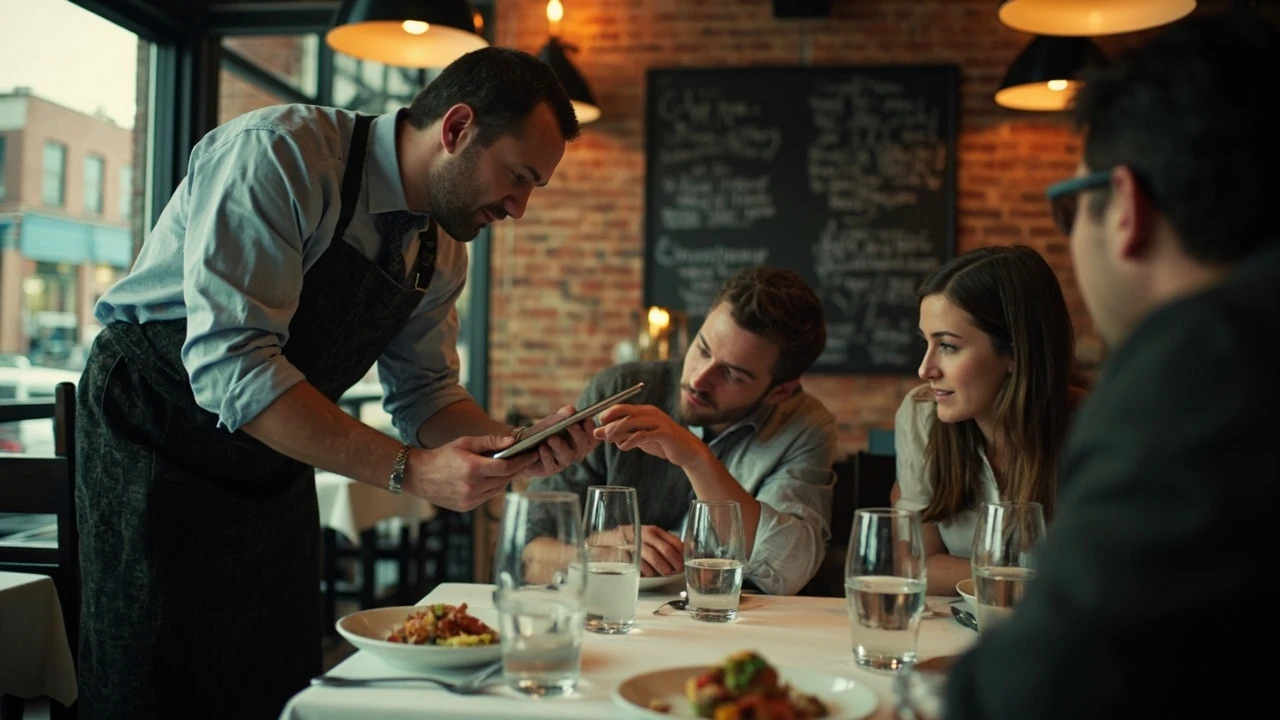
Restaurant soft opening feedback questions that actually change service
A soft opening is the brief window between “the lights work” and “the reviews go live,” and the quality of the questions a team asks during that window is what separates a calm grand opening from a stressful one. The best restaurant soft opening feedback questions are short, specific, and tied to a measurable part of the experience, such as how long the host took to seat the table, whether the server explained a dish correctly, or how warm the food arrived. They also respect guests, who are usually friends, neighbors, or invited regulars doing the operator a favor.
Below is a working question set for owners, GMs, and front-of-house leads, plus the wording to put in front of guests, the timing that produces the most useful answers, and a short method for turning the responses into a fix list for week one. The goal is not to collect compliments. The goal is to find the friction points that an operator cannot see from the pass or the host stand, and to fix them before the first paying crowd walks in.
What a soft opening is actually for
A soft opening is a controlled trial service, usually one to five shifts, where the restaurant runs near-normal operations in front of a smaller, more forgiving audience. Staff practice timing, the kitchen confirms that the menu holds under repeated cooks, the bar calibrates pour cost in real conditions, and the host stand rehearses the actual arrival curve. Guests at this stage are not anonymous; they are usually invited, often comped or discounted, and they are expected to be observant.
Because the audience is small and chosen, the feedback loop is tight. A general manager can ask a table of four to hold for two minutes at the end of the meal, or send a short form by email the next morning, and expect a real answer. That answer will be more useful than the first week of public reviews, because the team can still change the menu, the service sequence, the reservation spacing, and the training before the marketing has pushed real volume through the door.
The most common mistake is treating the soft opening like a dress rehearsal where everyone is told to smile. A dress rehearsal hides the cracks. The point of a trial service is to surface the cracks on purpose, in a window where the cost of fixing them is low.
Who you should be asking, and when
Different guests see different parts of the operation, so the question set should match the guest profile and the moment in the meal. The table below maps the most useful respondent types to the part of the experience they can actually judge, and the moment in the meal when a question lands cleanly.
| Respondent | What they can actually judge | Best moment to ask |
|---|---|---|
| Invited regulars and friends | Overall feel, comfort, whether the room matches the brand | At the end of the meal, while the check is on the table |
| Walk-in neighbors during off-peak | Signage, street visibility, first impression at the door | When they sit down, before ordering |
| Industry peers and suppliers | Technique, kitchen discipline, plate temperature, portion balance | After the main course, while waiting for dessert or coffee |
| Front-of-house staff at table | Timing, ticket flow, misfires between kitchen and service | During the same shift, in a 10-minute debrief |
| Kitchen and bar team | Ticket timing, prep gaps, equipment stress, recipe clarity | End of shift, away from guests, with the manager running it |
Asking at the wrong moment produces polite, useless answers. Asking a table of tired guests for a long survey while the check is sitting in front of them produces short, polite answers. Asking a server in front of a guest for honest feedback on a service mistake produces a defensive answer. Match the question to the moment, and the response rate and the quality of the answer both go up.
The core restaurant soft opening feedback questions
The questions below are written so a host, server, or manager can read them almost as written. Each one targets a single decision the team can act on. Resist the urge to add three sub-questions to any one item; one clean question per beat keeps the response useful.
- When you walked up to the door, was it clear where to enter and who to talk to?
- How long did you wait between arriving and being seated, and did anyone acknowledge you during that wait?
- Did the server explain the menu in a way that helped you decide, or did you feel left to figure it out?
- Which dish surprised you the most, and was the surprise a good one?
- Was the temperature of the food and the drinks where you expected it to be?
- If you had to cut one item from the menu, which would you cut, and which would you never remove?
- Was the music and the noise level comfortable for a conversation at your table?
- Did anything about the bill confuse you, including the tip line, the service charge, or the item names?
- Would you recommend this restaurant to a friend this week, and what is the one thing you would tell them first?
Each of these maps to a fix. A consistent “could not find the door” answer points to signage, lighting, and street presence, which fits the broader work of restaurant branding. A pattern of “food arrived cold” answers points to ticket timing and pass discipline, not to the recipe itself. A pattern of “bill confused me” answers points to the check layout, which often needs the same care as menu descriptions that actually sell.
Wording that gets honest answers
The way a question is phrased changes the answer. Closed, leading questions produce agreement. Open, specific questions produce stories. The pair below shows the difference in the most common soft opening question: how was everything.
| Weak wording | Why it fails | Strong wording |
|---|---|---|
| Was everything great tonight? | Leading, vague, hard to disagree with | What was the one thing that worked better than you expected? |
| Did you enjoy your meal? | Forces a yes or no, hides the reason | Which dish would you order again on your next visit, and which would you skip? |
| Any complaints? | Invites silence or a single polite note | What is the one thing we should change before next weekend? |
| Was the service good? | Too broad to act on | Was there a moment during the meal where you had to look for a server? |
| How was the wait? | Encourages a number without a cause | Did anyone tell you how long the wait would be, and did the wait feel reasonable for a first visit? |
The strong column does not sound cold or clinical. It sounds like a host who is paying attention. Guests at a soft opening are usually flattered to be asked a real question, and they often answer with more detail than a manager expects, including comments the manager would not have thought to ask about, such as the temperature of the entryway, the visibility of the menu from the door, or the way the music shifts between courses.
Question sets by service moment
Rather than running a single long survey, a small team gets better data from short, targeted questions at the right moment in the meal. The list below pairs each phase of service with one or two questions the floor team can actually use, and notes who on the team should own the ask.
- Arrival (host stand): “Did you spot us easily from the street?” Owner: host or door staff.
- Seating (server at the table): “Is the table the right size and the right spot, or would you have preferred a different one?” Owner: server.
- Ordering (server after taking the drink order): “Was the menu clear, or were there items you had to ask about?” Owner: server.
- Mid-meal (manager walking the floor): “How is the pace so far, too fast, too slow, or just right?” Owner: manager.
- After the main (server or manager): “Which dish on the table right now would you reorder, and which would you pass on next time?” Owner: server or manager.
- Check drop (server or manager): “Was the bill clear, and did the tip line make sense?” Owner: manager, because this is a structural fix if the answer is no.
- Departure (host or manager at the door): “If you had to describe this place in one sentence to a friend, what would you say?” Owner: host or manager.
This sequence also gives the team a built-in training script. Servers learn that the soft opening is not a free pass, and managers learn where the floor is breaking without having to lurk in the dining room.
What to ask the staff, separately from the guests
Guests see the surface. Staff see the machinery. The two question sets should not be combined, and the staff version should be asked away from guests, in a short debrief at the end of the shift. The following list is a working template for a 10-minute end-of-shift debrief that a general manager can run on a clipboard.
- Which ticket felt the longest tonight, and what was on it?
- Where in the building did you have to wait, and for what?
- Was there a moment you did not have what you needed, and what was missing?
- Which menu item are you least confident describing to a guest, and what do you actually say about it?
- Did the kitchen, bar, and pass communicate well, or were there gaps?
- What is one thing we should change tomorrow before the next shift?
This list works because it is short, it produces a single fix for the next day, and it treats the staff as observers of the operation, not as the operation itself. Over a soft opening week, the answers build a small, fixable list that often matters more than any guest survey.
How to run the feedback without ruining the night
A soft opening only works if the floor keeps moving. Feedback collection has to be invisible enough that the next service is not slowed down by it. The following rules keep the process clean and the team focused.
- Cap the in-person question set at three questions per table, chosen from the list above based on what the team most needs to learn that night.
- Assign feedback ownership by role. Hosts ask about arrival, servers ask about ordering and pacing, managers ask about the bill and the overall impression. This avoids the strange moment when a guest is asked the same question by three people.
- Do not hand a paper survey to a guest who is still eating. The receipt, the reservation reminder email, or a short follow-up text the next morning is a better channel.
- Capture answers in the simplest tool the team will actually use. A shared note on a phone, a Google Form, or a single column on a clipboard works. A complex CRM does not.
- Close the loop visibly. If a guest says the music is too loud, change the music the next night. If a guest says the risotto was cold, check the pass. Showing that the feedback was heard is what turns a soft opening into a reputation with the people who showed up.
The point is to make feedback part of the operation, not a parallel project. The teams that get the most from a soft opening are the ones whose manager can change a server’s phrasing, a cook’s plating, or a host’s greeting script within a day.
Turning answers into a fix list for week one
A pile of feedback is not useful until it is sorted into a small number of decisions. The table below is a working template for moving notes from a clipboard into a one-page fix list that the manager, chef, and FOH lead can act on the next day. It is meant to be filled in by hand or in a simple doc, then pinned in the office until each item is closed.
| Theme from feedback | Specific owner | Action by tomorrow | Verified by |
|---|---|---|---|
| Guests could not find the door | General manager | Add a visible sign at street level, check lighting after dark | Manager walk-by at the same time the next day |
| Server could not describe the lamb dish | FOH lead | Write a one-sentence description, rehearse it in pre-shift | FOH lead during the next dinner service |
| Food arrived cold on table 12 | Chef de cuisine | Check pass warmth, plate temperature, and runner timing | Chef and manager at the pass during peak |
| Bill format confused two tables | General manager | Reprint check with clearer tip line, brief servers on the change | Manager at the door during the next shift |
| Music was too loud for two-top conversation | FOH lead | Lower playlist volume by a set number, set a cap | FOH lead at peak on the next shift |
The columns are not bureaucracy. They are a way to keep a small team from dropping fixes on the floor when the week gets busy. Each row should be small enough to close in a single shift, and each row should be visible to the person who owns it.
What to track, and what to ignore
Not every comment from a soft opening is worth a fix. Some are personal taste, some are about a guest’s mood that night, and some are about things the operator cannot or should not change. A short rule of thumb is useful here.
- Track feedback that shows up from more than one table on the same night, or from the same table across two nights. Patterns beat single comments.
- Track feedback that points to a process you control, such as timing, script, lighting, or the check layout. These are the cheapest fixes.
- Ignore taste notes from a single guest about a dish that the chef has tested and wants to keep. A menu is a position, not a survey, and one opinion is not a position.
- Ignore feedback about price during a soft opening if the guest was comped or discounted. The price experience is not real for that table.
- Ignore comments about elements that are still under construction, such as a patio that opens next month or a brunch menu that launches in six weeks. Note them, but do not act on them during the trial service.
This filter keeps the team from over-reacting to a single loud guest, and from under-reacting to a quiet pattern that two or three tables actually share. It also makes the soft opening feel more honest to the staff, because they can see the manager sorting signal from noise in real time.
Common soft opening mistakes the question set can prevent
Most of the soft opening problems that show up in a public opening can be caught by a tight feedback set. The list below names the most common ones, the question that surfaces them, and the type of fix they point to.
- Service feels scripted. If the “did the server explain the menu” question comes back as “yes, but it sounded rehearsed,” the team needs to relax the script, not delete it. A short paragraph of freedom works better than a full rewrite.
- Kitchen is fast at the pass and slow in the dining room. If guests say the pace was uneven, but the kitchen reports ticket times were clean, the problem is in the runner and the floor manager, not the line.
- Menu is too long. If the “cut one item” question keeps returning the same answer across multiple tables, the team has a soft signal to remove a dish before the grand opening, which protects menu pricing and margin.
- Room feels off. If guests consistently say the music is too loud, the tables are too close, or the lighting is too bright, the answer is not a comment, it is a layout or programming change. Treat these as structural, not cosmetic.
- Host stand is invisible. If the first-arrival question comes back with a pattern of confusion, the team is losing the first ten seconds of the meal, which often decides the rest. The fix is a greeting script and a visible host, not a new reservation system.
How this connects to the rest of the operation
A soft opening is also a chance to test the systems that support the dining room, including restaurant marketing that is meant to fill seats and the content that explains what the place is. The questions a team asks during a soft opening feed straight into how the brand is described online, how the menu is photographed, and how the reservation flow is written. A team that listens carefully during the trial service usually finds that the marketing language for the launch writes itself, because the guests have already said what the place is, in their own words.
Frequently asked questions
How many restaurant soft opening feedback questions should a team ask per table?
Three is usually the right cap for an in-person ask during the meal. Pick the three from the core list that match what the team most needs to learn that night, and leave the rest for the follow-up email or text the next morning.
When is the best time to ask for feedback during a soft opening?
Match the moment to the question. Ask about arrival while the guest is settling, ask about the menu right after ordering, ask about pacing mid-meal, ask about the bill at check drop, and ask the overall impression at the door. A single long survey at the end of the meal produces shorter, less useful answers.
Should soft opening feedback be anonymous?
No. The audience is small and invited, and the team can fix more when they know which table the comment came from. Keep the names internal to the management team, and never share a guest’s note with another guest.
Who on the team should run the soft opening feedback process?
One person. Usually the general manager or the floor lead. The role is to collect, sort, and close the loop on every comment. A shared inbox or a single clipboard is enough; a project management tool is overkill for a five-shift trial.
How do you turn soft opening feedback into a real fix list?
Sort the notes into the five categories used in the fix list table above, name a single owner for each, and set a deadline by the next service. Then verify the fix on the floor the following day, and tell the original guest what changed. The close-the-loop step is what makes the next soft opening easier to run.
What is the single most important restaurant soft opening feedback question?
“If you had to describe this place in one sentence to a friend, what would you say?” It sounds soft, but it usually returns a clean line that the marketing team can almost use as written, and it tells the operator whether the brand they built is the brand the guest experienced.
Should soft opening feedback be collected on paper, on a tablet, or by text?
All three work, but the in-person channel should be the lightest possible, usually a tablet the manager carries, or a single line jotted on a reservation card. The longer survey belongs in a follow-up email or text the next morning, when the guest has had coffee and is more willing to write a real answer.
How long should a soft opening run before a grand opening?
Most operators land on three to five trial services, which is enough to see a pattern without burning the goodwill of the invited audience. A single night is too short to find a real pattern, and a two-week soft opening starts to look like a soft launch that never ends.
What if the soft opening feedback contradicts itself?
That is normal. Sort the comments by who said them and what part of the meal they saw, and look for the pattern underneath the noise. Two tables saying the music was too loud and one table saying it was too quiet usually means the music is fine and the speaker placement is wrong, which is a fix the team can make in an hour.
What should a team do with soft opening feedback after the grand opening?
Keep the same categories running for the first month of regular service, and stop collecting after that. The trial service exists to fix what the team could not see. Once the room is full and the staff is trained, the system that handles the public reviews takes over, and the soft opening question set is retired.