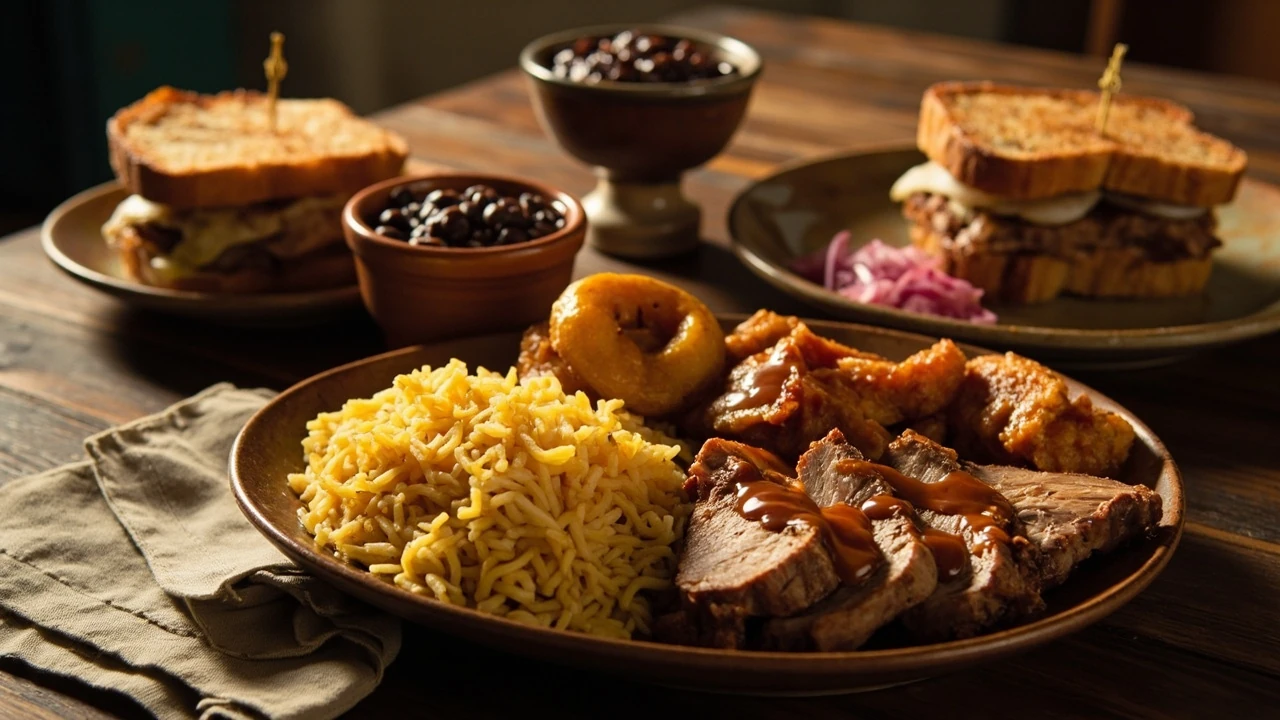
Cuban food
A short version of the story is this: cuban food is built on a few honest techniques, a short list of pantry staples, and a stubborn preference for dishes that taste even better the next day. The cuisine is often summarized as rice, beans, and roast pork, but that summary hides how deliberate the cooking actually is. The flavors come from sofrito-style aromatics, long-simmered beans, citrus marinades, and the careful balance of starch, protein, and pickle that shows up on almost every plate.
For an American diner, restaurant operator, or curious home cook, cuban food is also one of the most accessible Latin American cuisines to learn. The ingredient list is short, the cooking methods are forgiving, and the dishes are designed to be shared. The challenge is not complexity; it is knowing which dishes are central, how the flavors are supposed to taste, and what separates a careful version from a watered-down one.
What cuban food actually is
Cuban food is the traditional cuisine of Cuba, shaped by Spanish colonial cooking, African influences from the slave trade, Caribbean pantry staples, and a long period of trade with the United States. The food of Cuba is sometimes grouped with other Caribbean cuisines, but the island’s cooking has its own logic. Dishes tend to use fewer chiles than Mexican food, less dairy than much of South American cooking, and far more citrus and garlic than the average American plate.
The backbone of the cuisine is a small set of ingredients: white rice, black or red beans, root vegetables such as yuca and malanga, plantains, pork, chicken, citrus, onion, garlic, oregano, cumin, and bay leaf. Almost every classic dish can be built from this list, with regional and family variations layered on top. The result is a cuisine that is recognizable on the plate but still leaves room for personal style, which is one reason the food has traveled well to cities like Miami, Tampa, and New York.
There is also a strong everyday logic behind the cooking. Many cuban food staples are designed to be cooked once and eaten twice. Beans are simmered slowly and taste better the next day. Ropa vieja is often made from leftover pot roast. Rice is reheated and pan-fried the morning after to make arroz a la tumbada-style breakfasts or quick side dishes. The cuisine rewards planning, which is part of why cuban home cooks tend to think in batches.
The flavor base that holds cuban food together
Most cuban food begins with a sofrito-style base, although the Cuban version is lighter than its Caribbean cousins. The base is usually built from onion, garlic, green or red bell pepper, and a small amount of tomato or tomato paste, cooked in olive oil or lard until soft. From there, oregano, cumin, bay leaf, and a splash of citrus or dry white wine finish the profile.
Citrus deserves its own mention. Sour orange, called naranja agria, is the traditional citrus in marinades for Cuban roast pork. Where sour orange is hard to find, a mix of regular orange juice and lime or lemon is the standard substitute. The acid does more than flavor the meat; it also helps the roast stay moist through a long oven cook, which is essential for the classic lechón asado.
Garlic and oregano are the second pillar. The combination shows up in marinades, in the bean pot, in chicken dishes, and in the seasoning for the Cuban sandwich. Cumin is used more sparingly than in Mexican or Tex-Mex cooking, but it is still present in beans and picadillo. Bay leaf is the quiet background note in rice and bean pots, where a single leaf is added during the simmer and removed before serving.
The core dishes that define the cuisine
Below is a practical map of the dishes most readers will encounter in a serious cuban restaurant, a Cuban-American home, or a cookbook. These are the dishes worth learning first if you want to understand what cuban food is supposed to taste like.
Ropa vieja
Ropa vieja, which translates loosely as “old clothes,” is shredded beef braised in tomatoes, onions, garlic, bell peppers, and a splash of wine or broth. The dish is the unofficial national plate of Cuba and one of the most ordered entrees in Cuban-American restaurants. The texture is the point: long, slow braising until the beef pulls apart, then finished in a thin, tangy sauce. It is almost always served with white rice and black beans.
Lechón asado
Roast pork is the centerpiece of cuban food celebrations, including Christmas dinner and family gatherings. The classic marinade uses sour orange, garlic, oregano, cumin, and onion, with the pork roasted low and slow until the outside is deeply browned and the inside is tender. The Cuban-American version, often called mojo pork, uses the same marinade for sandwiches and platters. The drippings are valuable and are usually spooned back over the roast.
Arroz con frijoles negros and arroz blanco
Rice and beans are the daily foundation. Black beans are cooked with onion, garlic, bell pepper, oregano, and sometimes a small piece of bay leaf, then served either as a soupy side or as a thicker mash. White rice is cooked separately, usually with a touch of oil and a pinch of salt so each grain stays separate. The two are served side by side on the plate, not mixed, and diners combine them as they eat.
Arroz moros y cristianos
Literally “Moors and Christians,” this is rice and beans cooked together in one pot, with the bean liquid used to cook the rice. It is sometimes confused with the side-by-side version but is its own dish. The flavor is more integrated, the rice is darker, and the texture is heartier. It is a common side for roast pork and a popular choice for potluck-style meals.
Vaca frita
Vaca frita is the crispy cousin of ropa vieja. Shredded flank or skirt steak is marinated in lime, garlic, and cumin, then pan-fried until the edges crisp. It is served with onions, rice, and black beans. The dish is a good example of how cuban food turns leftover technique into a different texture, and it is a strong menu item for restaurants that want to show range without adding new ingredients.
Picadillo
Picadillo is a quick ground beef hash flavored with tomatoes, olives, raisins, capers, and a small amount of cumin. It is a weeknight dish at home and a brunch staple in restaurants, often served with white rice, black beans, and a fried egg. The sweet-savory mix of raisins and briny olives is one of the clearest signs of the Spanish colonial influence on cuban food.
Cuban sandwich
The Cuban sandwich, or el cubano, is the most exported cuban food. The classic version layers roast pork, glazed ham, Swiss cheese, and dill pickles on Cuban or pressed Italian bread, then heats the sandwich in a plancha until the cheese melts and the bread compresses. Yellow mustard is standard; mayonnaise is a Tampa variant. The Tampa version adds salami, a holdover from Italian immigrant influence in Ybor City.
Yuca con mojo
Boiled yuca, drenched in a hot garlic and citrus sauce, is one of the most common sides on a cuban plate. Yuca is a starchy root that behaves like a thick, slightly sweet potato. The cooking is simple: boil until tender, remove the fibrous core, and serve with mojo poured over the top. Mojo is also used on bread, on plantains, and on grilled fish.
Plátanos maduros and tostones
Plantains show up two ways in cuban food. Ripe plantains are sliced and pan-fried in oil until caramelized and tender, served as plátanos maduros. Green plantains are sliced, pressed flat, and fried twice to make tostones, which are salty, crisp, and starchy. Both are standard sides and both are easy to add to a menu or a home plate.
Flan, pastelitos, and café cubano
Desserts and coffee are part of the cuisine, not an afterthought. Flan is a baked caramel custard with a bitter-sweet caramel top. Pastelitos are small puff pastries filled with guava, cream cheese, or beef, served as snacks or breakfast. Café cubano is a small, sweet espresso made by whipping the first drops of espresso with sugar to form a pale foam, a technique worth learning for any home cook.
How cuban food is structured on the plate
A traditional cuban plate is a deliberate composition rather than a main with a side. The structure almost always includes a starch (rice or yuca), a protein (roast pork, chicken, beef, or fish), a legume (black or red beans), and a sour or pickled element to cut the richness. Pickled onions, citrus mojo, and lime wedges are common across the cuisine and are not optional garnishes; they are part of how the dish is meant to be eaten.
This balance matters when designing a menu or planning a home meal. If a dish is heavy on pork and starch, the acid on the plate is what keeps the meal from feeling leaden. If a dish is built on citrus and garlic, the starch on the side is what carries the flavor. The plate works as a system, and cuban cooks tend to think in plates, not single dishes.
How to recognize a serious cuban restaurant
Outside of Cuba, the strongest signal of a serious cuban restaurant is the same handful of dishes done well. If the menu has ropa vieja, lechón asado, vaca frita, picadillo, arroz con frijoles, yuca con mojo, and a proper Cuban sandwich, and if the food tastes like the components were cooked separately and brought together, that is a good sign. If the rice is mushy, the beans are thin and underseasoned, and the pork is dry, the kitchen is cutting corners.
A second signal is the bread. Cuban bread has a light, crackly crust and a soft interior, and it is meant to be pressed. If the restaurant serves the Cuban sandwich on a soft, generic hoagie roll, the rest of the menu is usually weaker. A third signal is the coffee. Café cubano is small, sweet, and foamy. If the restaurant only offers filtered drip coffee, ask whether espresso is available; a serious Cuban kitchen almost always has it.
For operators, the link between menu structure and perception is well documented. A menu that features two or three strong, well-executed cuban staples will read as more authentic than a long list of generic Latin American dishes, even if the long list has more items. This is one reason restaurant branding and menu engineering matter so much for ethnic cuisines: the visible items set the expectation, and the rest of the menu is judged against them. If you are designing a menu around cuban food, the strongest move is to commit to a few classic dishes and execute them carefully rather than spreading the kitchen too thin.
How cuban food differs from other Latin cuisines
The cuisines of Latin America share ingredients, but the way cuban food uses them is distinctive. The table below summarizes the most common points of comparison, especially for diners and operators who want to position cuban food clearly on a menu or in a food story.
| Dimension | Cuban food | Mexican food | Puerto Rican food | Dominican food |
|---|---|---|---|---|
| Primary starch on the plate | White rice, often served with black beans | Corn tortillas, rice on the side | White rice with pigeon peas or beans | White rice with beans or stews |
| Signature heat source | Garlic, oregano, citrus; little to no chile | Dried and fresh chiles; often spicy | Recao, sofrito, aji peppers when used | Sofrito, aji peppers in some dishes |
| Iconic protein | Roast pork with mojo, ropa vieja | Tacos al pastor, carnitas | Lechón asado, pernil | La bandera plate with stewed chicken |
| Sweet-savory balance | Raisins and olives in picadillo; sweet plantains | Less sweet-savory, more chile and acid | Sweet-savory in some stews | Sofrito-based, less sweet-savory contrast |
| Most exported dish | Cuban sandwich, ropa vieja | Tacos, burritos | Mofongo, pernil | Mofongo, sancocho |
The point of the table is not to rank cuisines, but to make the positioning clear. Cuban food tends to be savory rather than spicy, sweet-savory in selected dishes rather than across the menu, and built around a small list of central ingredients. For operators, this positioning helps with both menu writing and the photography that supports it; the dishes are naturally photogenic in warm, golden light rather than in the brighter, more saturated palette of Mexican or Peruvian food.
A practical flavor map for cooking cuban food at home
For home cooks, the fastest way to learn cuban food is to build a small repertoire of base techniques and then apply them to different proteins. The table below is a working map of those techniques, with the dishes they support.
| Technique | Key ingredients | Dishes that use it | Common pitfalls |
|---|---|---|---|
| Sofrito base | Onion, garlic, green or red pepper, tomato, olive oil | Ropa vieja, picadillo, beans, rice dishes | Over-browning; the base should be soft, not caramelized |
| Sour orange marinade | Sour orange or orange-lime mix, garlic, oregano, cumin | Lechón asado, Cuban sandwich pork, chicken | Skipping the rest time; meat should marinate for hours, not minutes |
| Slow-simmered beans | Black or red beans, sofrito, bay leaf, oregano | Frijoles negros, moros y cristianos | Salting too early; salt at the end so the beans stay tender |
| Pan-frying plantains | Ripe or green plantains, oil, salt | Plátanos maduros, tostones | Frying at the wrong temperature; plantains should sizzle gently |
| Pressed sandwich | Cuban bread, roast pork, ham, Swiss, pickles, mustard | Cuban sandwich | Skipping the press; the compression is what defines the dish |
| Whipped espresso | Espresso, sugar | Café cubano | Using too much sugar; the foam should be pale, not dark |
If a home cook learns the sofrito base, the sour orange marinade, the slow-simmered beans, and the pressed sandwich, they can build roughly three quarters of the classic cuban food repertoire. The remaining dishes are mostly variations on these techniques with different proteins or starches.
How to build a small but credible cuban menu
For restaurant operators, a focused cuban menu is usually stronger than a long one. The cuisine rewards repetition and consistency, and the dishes that travel best in a restaurant setting are the ones that hold their texture and flavor under a service rush. The list below is a working short menu for a small restaurant or food truck that wants to do cuban food justice without overextending the kitchen.
- Arroz con frijoles negros as a permanent side, with a weekly variation such as moros y cristianos on weekends.
- Ropa vieja or vaca frita as the signature braised or pan-seared beef dish.
- Lechón asado on weekends, with extra roast pork reserved for the Cuban sandwich during the week.
- A pressed Cuban sandwich made on real Cuban bread, with mojo pork, ham, Swiss, and pickles.
- Yuca con mojo and plátanos maduros as the two standard sides, which can be batched and held.
- Flan, pastelitos, and café cubano for dessert and coffee, which carry higher margins and round out the menu.
This short menu is enough to tell a clear cuban food story, and each dish is realistic for a small kitchen. It also leaves room for photography that sells the cuisine on its own terms rather than as a generic “Latin” concept. If you are thinking about how to turn a single signature dish into a month of content for social or marketing, the right approach is to treat each component as a story: the pork, the bread, the pickles, the mojo, the beans, and the coffee can each carry their own short post without diluting the signature.
Common mistakes when cooking or serving cuban food
Most of the avoidable problems in cuban food come from the same handful of shortcuts. The list below is a working checklist for home cooks and operators who want to catch problems before they reach the plate.
- Underseasoning the sofrito. The base should be assertive; a flat sofrito produces flat beans, flat rice, and flat picadillo.
- Salting beans too early. Salt slows softening, so season the beans in the last twenty minutes of cooking.
- Marinating pork for only thirty minutes. The citrus and aromatics need several hours, ideally overnight, to flavor a full roast.
- Serving ropa vieja dry. The shredded beef should sit in a thin pool of sauce; if the sauce has reduced away, add a splash of broth before plating.
- Pressing the Cuban sandwich without enough weight. A heavy plancha or two cast iron pans are needed to compress the bread and melt the cheese through.
- Overcooking plantains. Maduros should be tender and caramelized, not hard; tostones should be crisp outside and soft inside, not greasy or doughy.
- Skipping the acid on the plate. A cuban plate without a pickle, a mojo, or a lime wedge often feels heavy; the acid is part of the dish.
These mistakes are not unique to cuban food, but they show up in the cuisine more often because the dishes are deceptively simple. A simple dish has nowhere to hide a shortcut, so the standard for each component is high.
How cuban food is photographed well
Cuban food photographs best in warm, low-key light, with the components arranged on a single plate or board rather than scattered. The reason is that the cuisine is built on warm tones: golden rice, mahogany roast pork, dark black beans, and the green of fresh cilantro or parsley. A flat, bright overhead light flattens those tones, while a low side light at the table brings out the caramel on the pork and the gloss of the mojo.
Styling matters more than prop count. A single fork, a linen napkin, and one small side bowl will read as a stronger cuban food image than a crowded table. The plate should look like it could be lifted and eaten; the meal should look fresh. Pastelitos and café cubano are good supporting shots for social and editorial use because they are small, photogenic, and add color to a story that is otherwise dominated by browns and golds.
If the goal is to sell the dish on a menu or in marketing, the better strategy is to show the whole plate, including the rice and beans, rather than isolating the protein. Cuban food is a complete plate, and the visual that signals authenticity is the plate as a whole, not a single piece of meat in a white bowl.
Frequently asked questions
What is the most iconic cuban food dish?
Ropa vieja is the most widely recognized cuban food dish outside the island, but roast pork with mojo and the Cuban sandwich are close behind. Ropa vieja is usually the right answer for diners who want a single dish that captures the flavor of the cuisine.
Is cuban food spicy?
Most cuban food is savory rather than spicy. Heat is not a central feature of the cuisine, and most restaurants do not serve a table hot sauce. A small amount of chile may show up in a few regional dishes, but the dominant flavors are garlic, oregano, citrus, and slow-cooked meat.
What makes cuban food different from other Caribbean cuisines?
Cuban food uses less chile than many Caribbean cuisines, relies more on garlic and oregano, and has a stronger Spanish colonial influence, especially in dishes like picadillo with raisins and olives. The use of sour orange in marinades and the importance of the Cuban sandwich are also distinctive.
What are the essential ingredients in a cuban kitchen?
The basic cuban food pantry is short: white rice, black or red beans, garlic, onion, oregano, cumin, bay leaf, sour orange or a substitute citrus, pork, chicken, beef, plantains, yuca, and Cuban or pressed Italian bread. With these ingredients, a cook can prepare the majority of the classic repertoire.
Is cuban food healthy?
Cuban food is built around rice, beans, lean proteins, and vegetables, which makes the baseline of the cuisine reasonably balanced. The richer dishes, such as lechón asado and ropa vieja, are higher in fat and sodium, so portion size and side selection matter. For most diners, a plate with a smaller portion of meat, more beans, and extra salad or yuca will read as a balanced meal.
What is a typical cuban breakfast?
A typical cuban breakfast includes café cubano, often served with a small glass of steamed milk called café con leche for a larger meal. Common food pairings are Cuban toast with butter, pastelitos de guava or cheese, or a simple plate of rice and beans left over from the night before.
Why is the Cuban sandwich pressed?
Pressing the sandwich compresses the bread, melts the cheese through the layers, and warms the pork and ham so the flavors combine. The press is not optional; it is what turns the layered ingredients into a single, coherent dish. A Cuban sandwich served on soft bread without pressing is closer to a generic ham and cheese than to the real thing.
What is mojo sauce?
Mojo is a Cuban sauce made from sour orange or a substitute citrus, garlic, oregano, olive oil, and salt. It is used as a marinade for pork, as a finishing sauce for yuca, and as a table condiment. The sauce is one of the clearest flavor signatures of cuban food, and learning to make a balanced mojo is one of the best first steps into the cuisine.
How is cuban food different from Spanish food?
Spanish food uses more olive oil, more seafood, and more cured pork, and includes dishes like paella, gazpacho, and jamon iberico that are not part of cuban food. Cuban food is simpler, leans more on rice and beans, and uses tropical ingredients such as plantains and yuca. The Spanish influence is real, but the island’s geography and trade history shaped a different everyday cuisine.
Can cuban food be made vegetarian?
Yes, though the cuisine is built around pork, beef, and chicken. The vegetarian backbone is the sofrito base, slow-simmered beans, rice, yuca con mojo, plátanos maduros or tostones, and vegetable picadillo made with plant-based ground meat or textured soy. Many of the sides, including the coffee and the pastelitos, are already vegetarian-friendly.
Where to start if you only have time to learn one dish
If there is only time to learn one cuban food dish, the best starting point is ropa vieja or a simple pot of black beans with rice. Both teach the sofrito base, both reward patient cooking, and both are central enough to the cuisine that the rest of the repertoire becomes easier to read afterward. Once the base is comfortable, the Cuban sandwich, picadillo, and a mojo-roasted pork are natural next steps.